
ASGCT 2025 Impact Report
A Message from ASGCT
The mission of the American Society of Gene & Cell Therapy (ASGCT) has always been to serve as the connector between science, industry, and academia, and over time, that mission has increasingly grown in scope, scale, and importance. Now more than ever, access to therapies and advancing patient-centered outcomes must run parallel to everything we do.
Whether it was representation at the congressional, patient, or academic level, the first ever ASGCT Impact Report highlights some of the milestones that shaped 2025 and uncovers an underlying theme: that impact is intertwined with access – access to the resources to help expedite commercialization of therapies; access to the research and scientific community to understand the latest discoveries, tools, and technologies available; and of course, making potentially lifesaving treatments for ultra-rare diseases an accessible end product for the patient.
In parallel, ASGCT continued building new initiatives aimed at strengthening the pathway from scientific discovery to patient impact. During 2025, foundational work progressed for CGTxchange, developed with Orphan Therapeutics Accelerator, and for the ASGCT Foundation, a new 501(c)(3) dedicated to addressing resource and infrastructure gaps affecting patients with rare and ultra-rare diseases.
Access shaped many of our 2025 initiatives, whose effects continue into 2026 – including a major step forward in connecting patients with treatment. From education and information to resources that accelerate commercialization, to cutting-edge research and scientific collaboration, and ultimately to life-changing treatments that reach patients, ASGCT’s first Impact Report reflects the milestones that continue to advance science and improve lives.
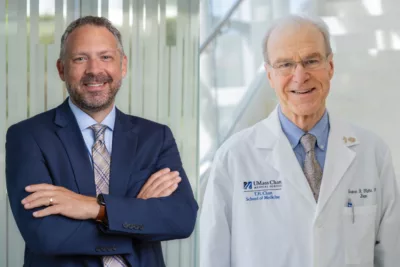
Terry Flotte, MD, President, ASGCT
David Barrett, JD, CEO, ASGCT

Behind the Numbers
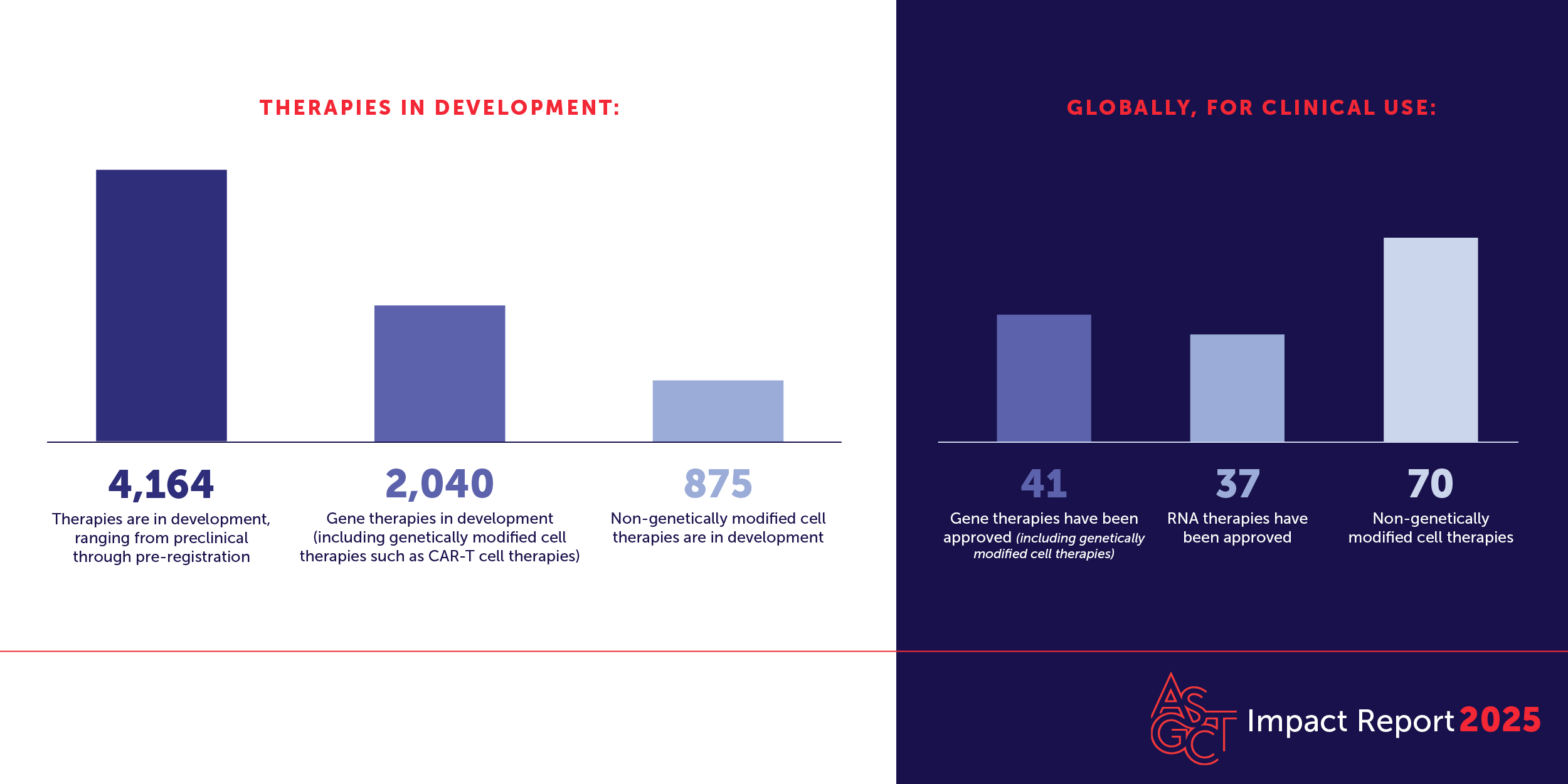
According to ASGCT’s Quarterly Landscape Report, while regulatory progress continued, clinical development activity overall slowed in 2025, with 125 trials initiated across gene, cell, and RNA therapies in Q3 of 2025 – the lowest number of total initiated clinical trials per quarter in over a year. This pattern continued in Q4, with the number of therapies in the development pipeline at 2,041, a 4% decrease from Q1 2025 levels. In contrast to these numbers, start-up financing activity only strengthened quarter over quarter, jumping to a 141% increase in activity in Q4 compared to Q3.
ASGCT compiles this research on a quarterly basis in partnership with Citeline to track the pace and direction of the field and to equip the CGT community with the data points, analysis, and insights to drive awareness and impact in the areas that need it most. Out of this one-of-a-kind field report emerges a clear picture: with gene editing tools like CAR-T dominating the pipeline and an uptick in novel delivery systems, there is not only an appetite for change but a willingness to embrace it.
Two highlights from 2025 within the broader CGT community showcase the impact of these novel treatment designs:

3-year-old born deaf can hear two years after breakthrough gene therapy treatment
In 2023, Opal Sandy made history at 11 months old as the youngest ever patient in the world to have a gene therapy injection to her right ear. In 2025, two years after treatment, history was made yet again: Sandy can now hear on her own. Born deaf due to mutations of the OTOF gene, an inherited condition, her treatment is part of the CHORD trial, the results and scientific data of which were presented at ASGCT's 2024 Annual Meeting.

First-ever patient treated with on-demand CRISPR
KJ Muldoon was born with a rare metabolic disease known as severe carbomyl phosphate synthetase (CPSI) deficiency. He spent the first several months of his life in a hospital, during which a team of scientists, researchers, and cell and gene therapists was concurrently working toward a hyper-targeted approach to treatment. In February of 2025, KJ received the first dose of a customized CRISPR gene editing therapy – a historic medical breakthrough that was a featured presentation at ASGCT’s 2025 annual meeting and garnered widespread attention.
Science as the Lever to Advance Treatment
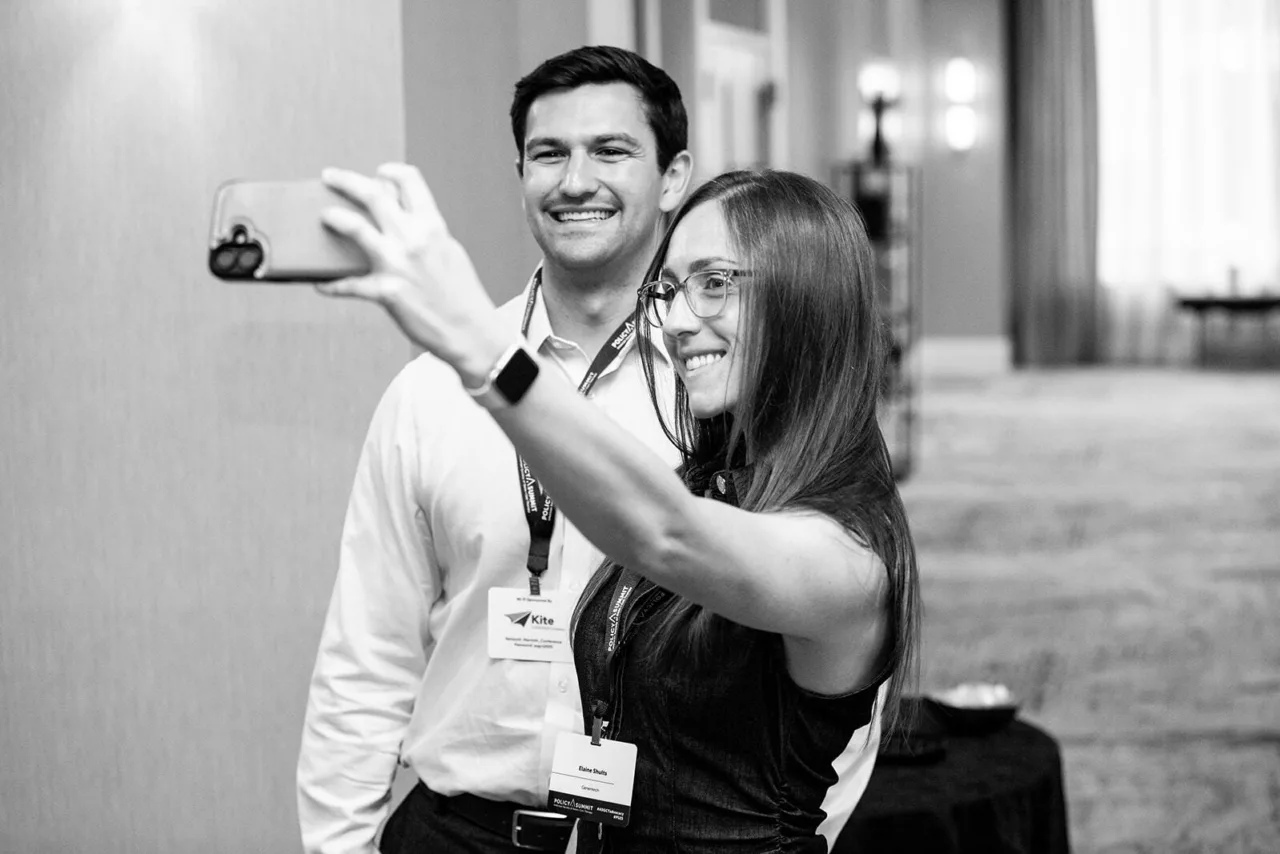
At ASGCT’s 2025 Policy Summit, regulators, patient advocates, industry representatives, and policymakers came together to discuss the challenges and opportunities shaping the field. Programming underscored a vital paradox between scientific efficacy and commercialization, including the growing challenge of commercially pre-viable gene therapies, or treatments that are typically abandoned despite clinical promise.
Moving the needle forward requires combining scientific innovation with creative and sustainable solutions for access and infrastructure. Among the conversations surrounding this topic are understanding the impact that science has on the patient, and the implications around barriers to development, eligibility, coverage, referrals, and logistics.
In 2025, ASGCT provided the forums for these conversations and discoveries to take place – many of which continue through The Advocate, a monthly newsletter that shares timely policy and regulatory updates with the broader community.
Educational Events
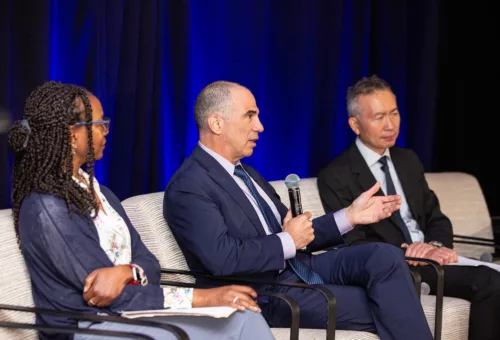
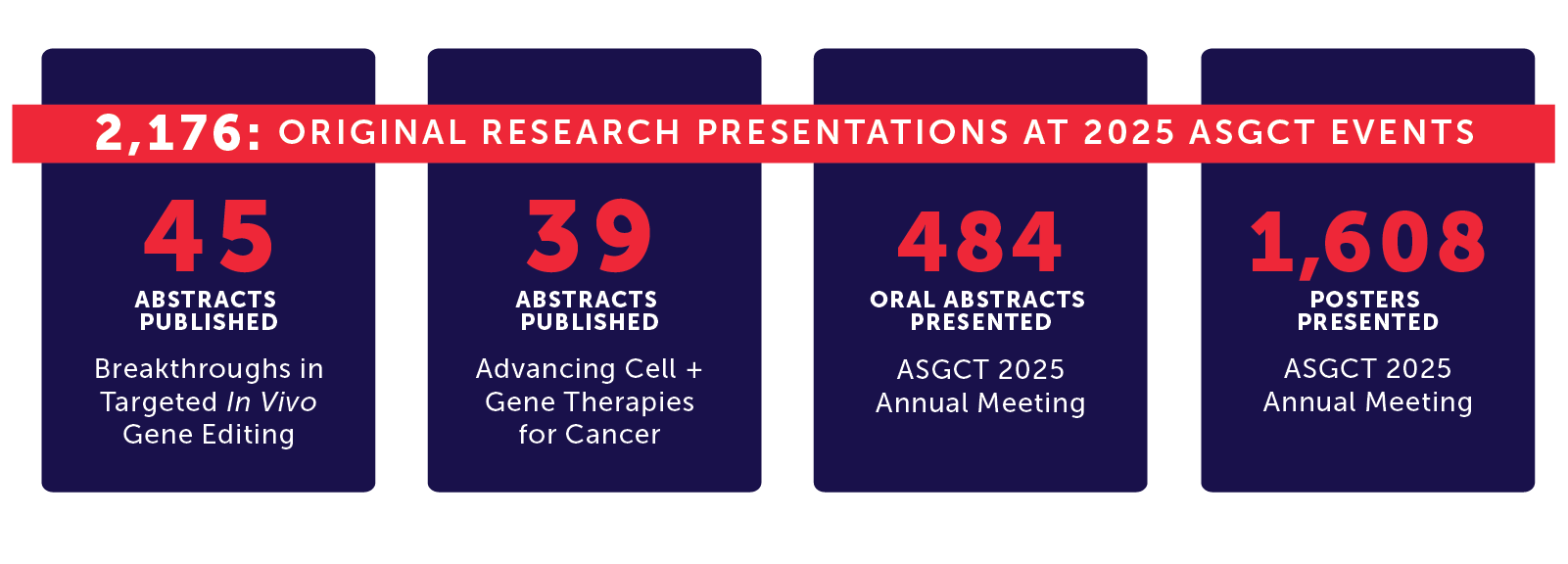
ASGCT brought the CGT community together at Breakthroughs in Targeted In Vivo Gene Editing in November and Advancing Cell + Gene Therapies for Cancer in October. Among those in attendance were representatives from the Mayo Clinic, Harvard, Stanford University, Integrated DNA Technologies, Boston Children’s Hospital, and the University of Hong Kong, to name a few. These events provided opportunities to share groundbreaking research and discoveries with peers and colleagues alike.
Research
In 2025, ASGCT’s flagship scientific publication, Molecular Therapy, celebrated 25 years. Highlights included a collaborative article on overcoming barriers to commercially pre-viable gene and cell therapies for rare and ultra-rare diseases, as well as reviews on the evolution of CAR-T cell therapy and current clinical applications of AAV-mediated gene therapy.

Molecular Therapy Milestones
32.4%
increase in total published articles in Molecular Therapy between 2024–2025
Inside Molecular Therapy
Join us behind the scenes of ASGCT’s field-leading Molecular Therapy Family of Journals. Discover how these prestigious publications have shaped the landscape of cell and gene therapy research for the past 25 years.

Empowering the Next Generation
ASGCT recognized the achievements of both rising stars and established leaders in the field in 2025, honoring those who are actively and profoundly shaping the future of science and medicine. As part of this mission, ASGCT annually supports the career development of U.S.-based members and empowers investigators to pursue innovative projects.
In 2025, $1.2 million in research funding was awarded to ASGCT members, fueling their discovery and clinical application of genetic and cellular therapies to alleviate human disease.

A Field in Transition
Ensuring Access to Transformative Treatments
CGTs represent a new frontier in medicine, but the path from bench to bedside is rarely straightforward. The true barriers are timing, infrastructure, and accessibility, not the science itself. Increasing access to treatment, thereby, requires fundamentally changing how cell and gene therapies are integrated into the healthcare delivery system to ensure that scientific advances can successfully reach the patients who need them. At the ASGCT 2025 Annual Meeting, discussions revolved around moving from a variant-first to a patient-first approach, one that prioritizes equitable access in concert with scientific advancement.
Innovation Beyond the Lab
The overwhelmingly positive reception to Baby KJ’s remarkable treatment is a testament to data-driven outcomes. However, it’s also a reminder of the scientific rigor that goes into clinical success: moments of doubt and countless cycles of analysis and validation. This starts in the lab, testing cells for any signs of successful editing. This rigor extends through multiple rounds of preclinical trials, before patient application. Once treatment is administered, there is a period of study and discovery to monitor the level of success, how the body responds, and the feasibility of long-term efficacy. In this way, Baby KJ serves as a model of what individualized, custom engineering can do for promising therapies and driving real outcomes from bench to bedside.
As Dr. Kiran Musunuru, one of the lead researchers behind this work, stated on an episode of ASGCT’s Soundbites of Annual Meeting,
We want to be able to help every single patient that comes our way.”
As part of its broader honors program, the American Society of Gene & Cell Therapy (ASGCT) recognized the team behind the Baby KJ project with the Catalyst Award, highlighting how bold innovation and cross-sector collaboration are accelerating the translation of gene-editing science into real-world therapies.
The first-of-its-kind personalized CRISPR treatment developed for the infant patient exemplifies the power of urgency, partnership, and scientific ingenuity working in concert – and reflects ASGCT’s ongoing commitment to celebrating breakthroughs that move the field of genetic and cellular medicine forward.

The stakes are so much higher here. The whole point of this is we want to be able to personalize for any patient. We want to be able to help every single patient that comes our way.
It Takes a Village
The Importance of Collaboration to Shape the Future of CGT
Collaboration within the CGT ecosystem takes on many forms – from the scientists at the bench, advocates in the field, researchers in the lab, and policymakers at the desk. They say it takes a village to raise a child, and in the case of ASGCT’s broader mission, this proverb rings true. Here, it takes a unique combination of a diverse and growing membership and stakeholders who care deeply about making a difference to share their expertise, perspectives, and passion to advance CGT.

Membership Highlights
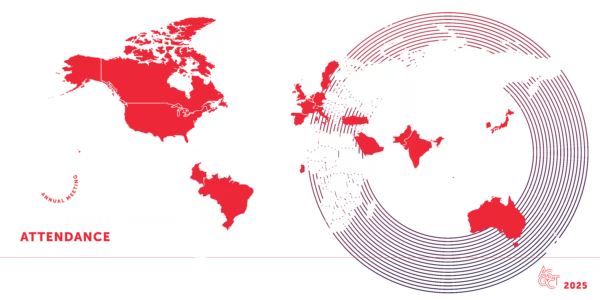
ASGCT members represent a diverse group of people that span the globe, 65 countries to be exact, and categorically almost every phenotype of the CGT field – from therapists to academics to clinicians to advocates. In 2025, this international presence and membership representation grew. Reflecting our commitment to keeping pace with the evolution of the CGT field, ASGCT refined our membership categories and benefits, offering more opportunities for membership across a range of career stages and roles. New resources – meetings and events calendars, a curated on-demand media library, and improved member directory, to name a few – were created to make connecting and collaborating easier than ever.
New Membership Tiers
In 2025, ASGCT introduced a reimagined membership structure to better reflect the full spectrum of professionals and stakeholders shaping the CGT field. Effective for the 2026 membership year, new Trainee and Early Career categories expand access at pivotal stages, while an Allied Membership creates a pathway for patient advocates, caregivers, and other professionals to engage in the Society’s work. Complimentary membership for patients affected by rare diseases, and individuals from low- and lower-middle-income countries further reinforces ASGCT’s commitment to global inclusion.
International Footprint
- 4 Around the World webinars hosted in collaboration with the Global Outreach Committee and International Coalition of CGT Societies
- 66 participants in our Global Gene Therapy Program
- 22% of Annual Meeting attendees from outside the U.S., representing 23 different countries
ASGCT Annual Meeting
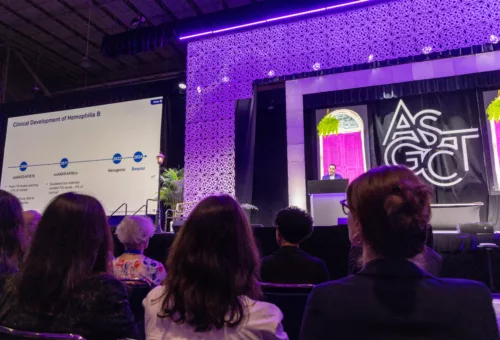
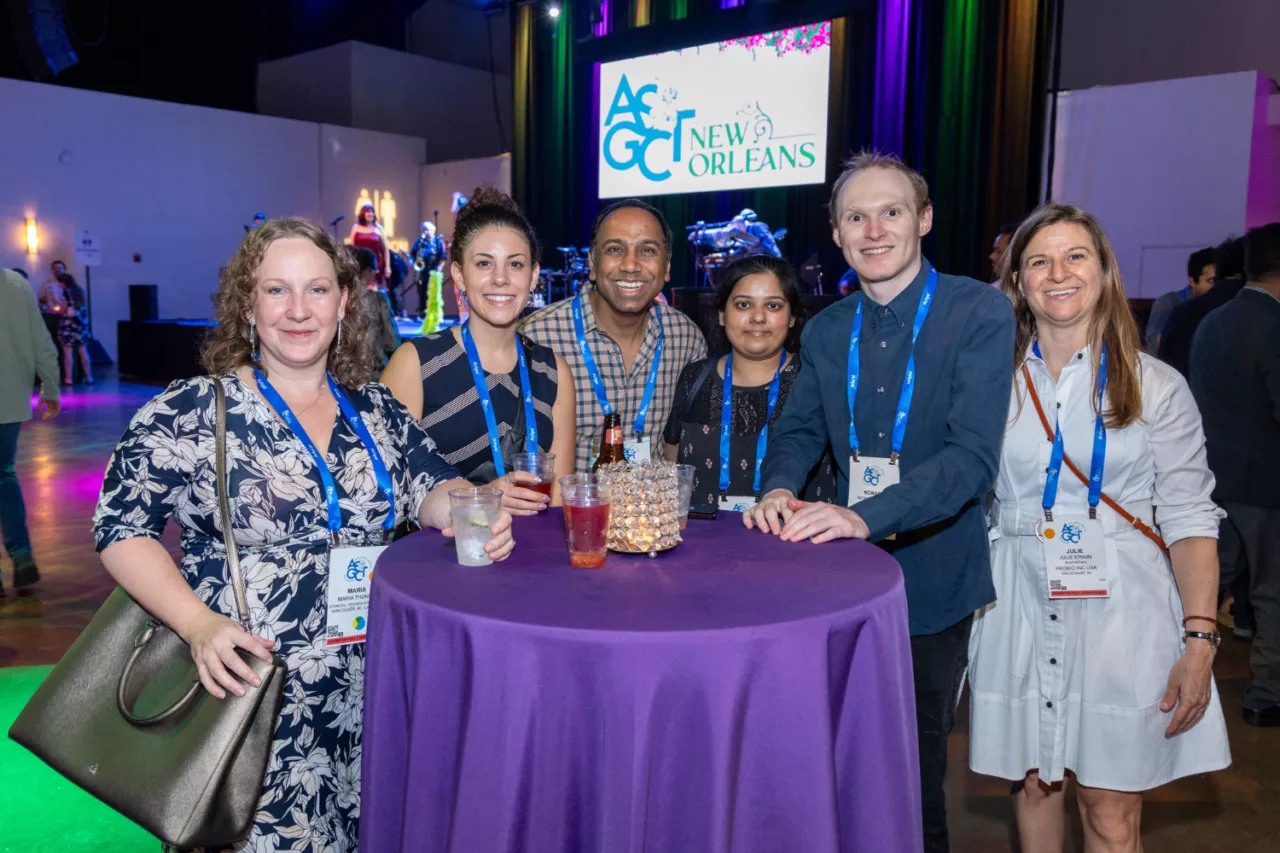
Just as cell and gene therapy represents far more than the application of cells to treat disease, ASGCT continues to serve as a convening force and compass for the field’s evolution – brought to life each year through the Annual Meeting. The ASGCT 2025 Annual Meeting took place May 13–17 in New Orleans, LA.
This gathering once again marked a defining moment for the community, as researchers, clinicians, industry pioneers, and advocates came together to share breakthrough science, celebrate milestones, and shape what comes next. Through dynamic plenaries, expert-led workshops, and cross-disciplinary dialogue, the meeting did more than showcase progress – it accelerated it, strengthening the collaborations and shared vision that propel cell and gene therapy from discovery toward real-world impact.
2025 Annual Meeting Highlights
- Record number of more than 2,100 abstract submissions
- 6,793 attendees
- 17+ supplemental curated networking events welcomed nearly 2,200 individuals
- 1,083 attendees to specialized, deep-dive workshops
- 324 exhibitor partners brought support and visibility to attendees
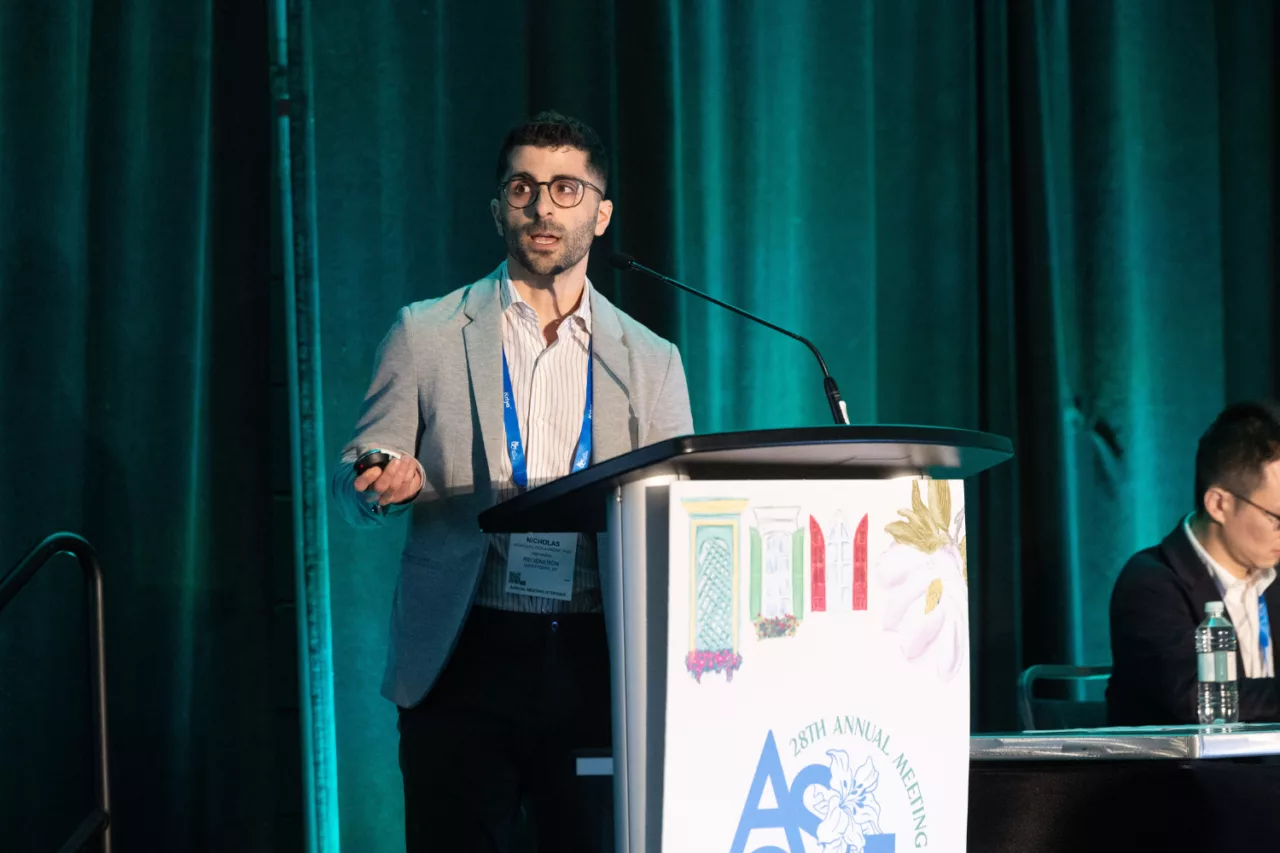
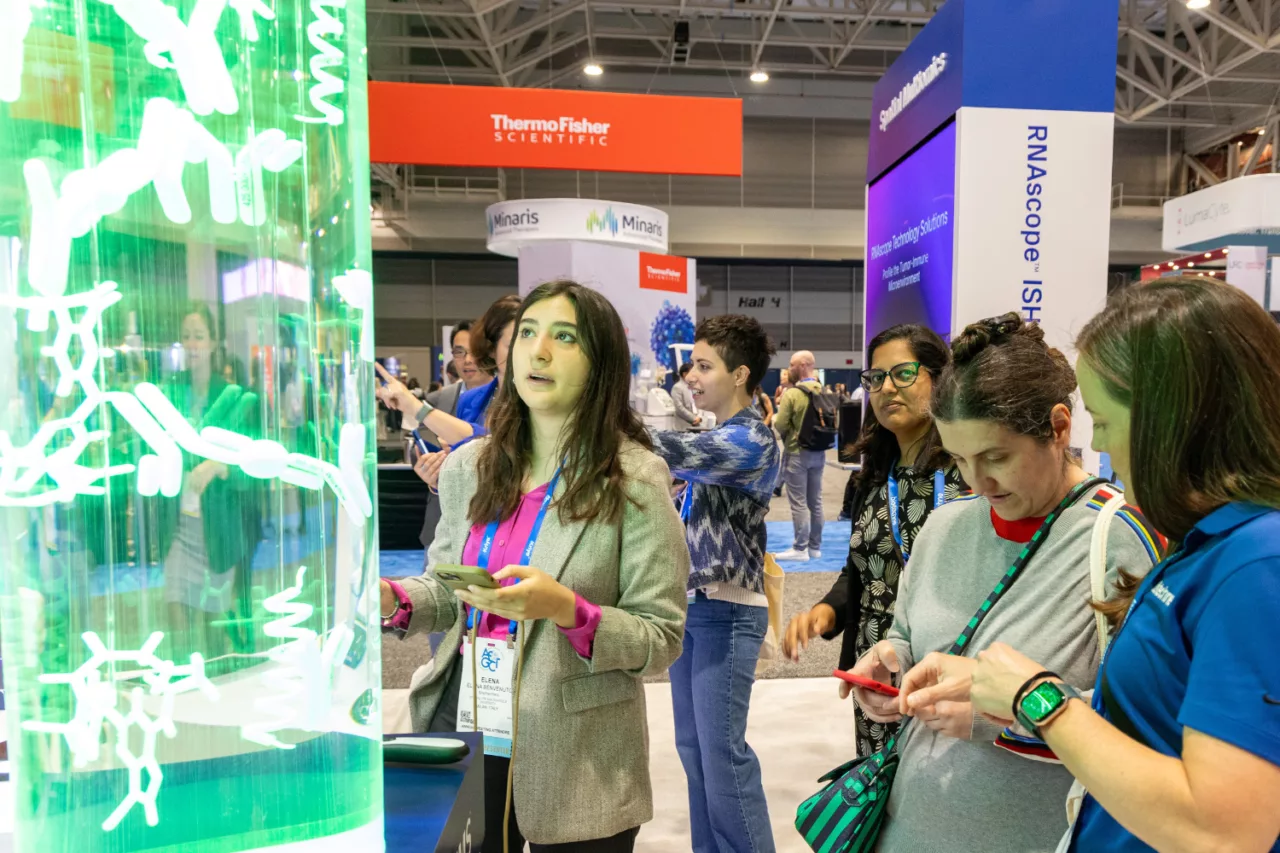
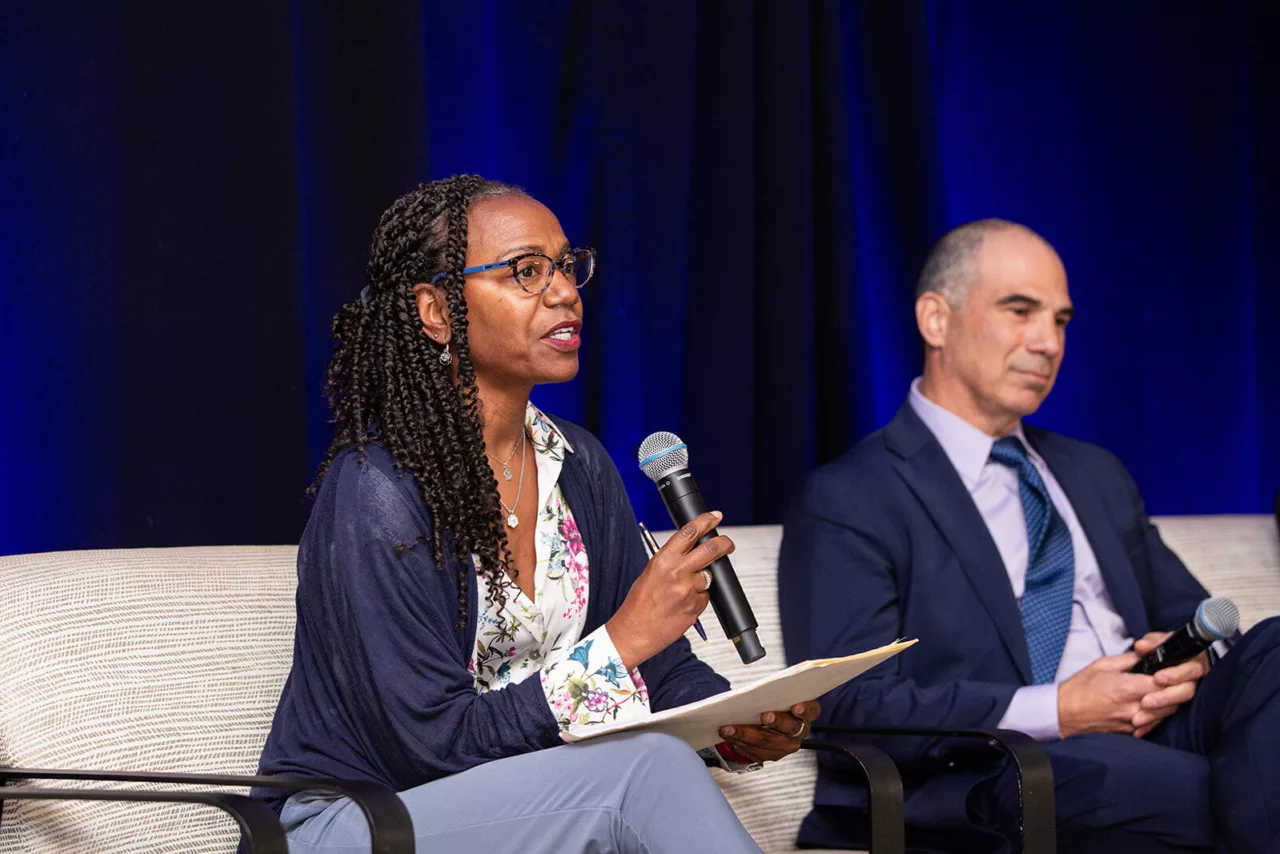
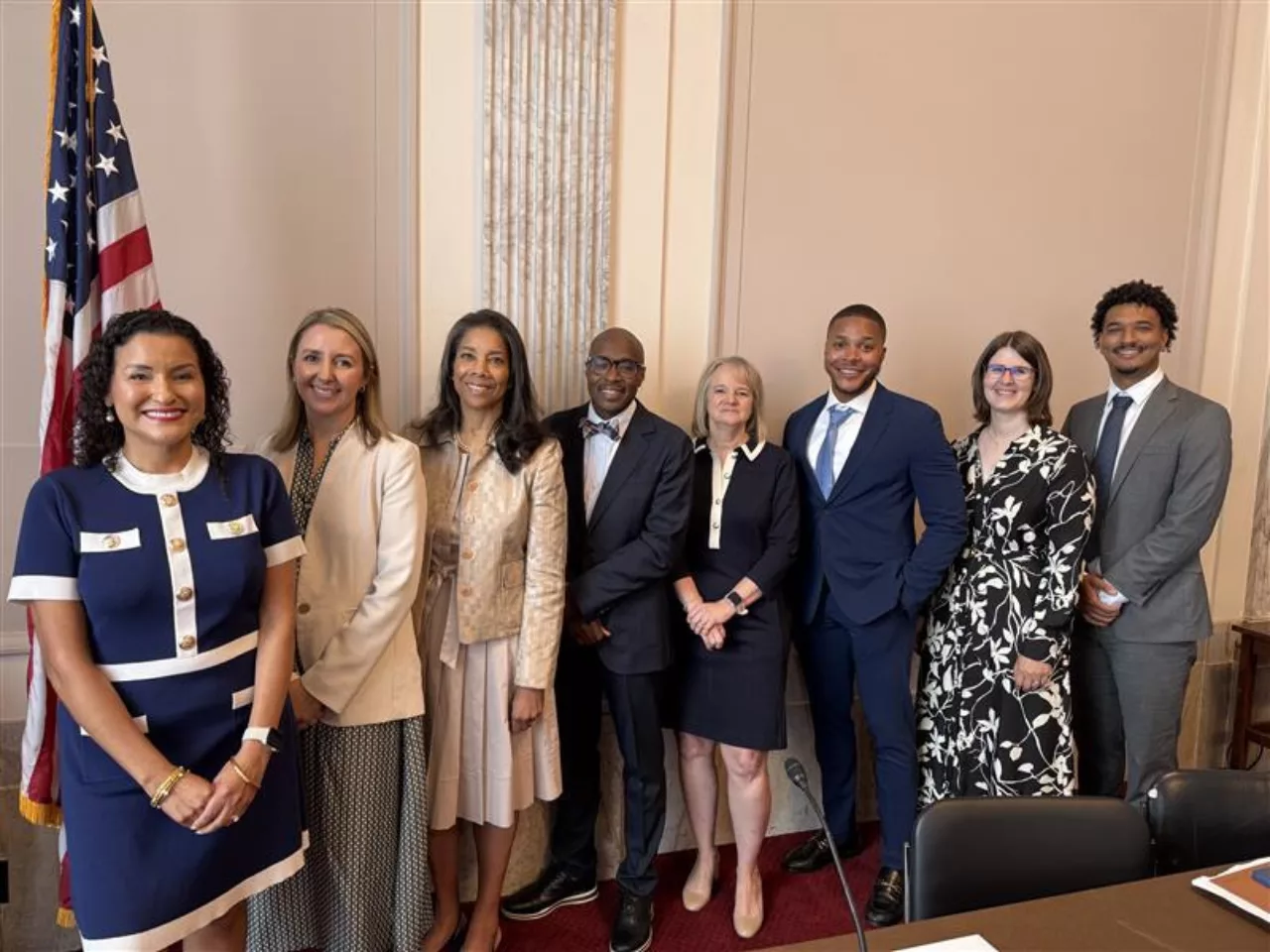
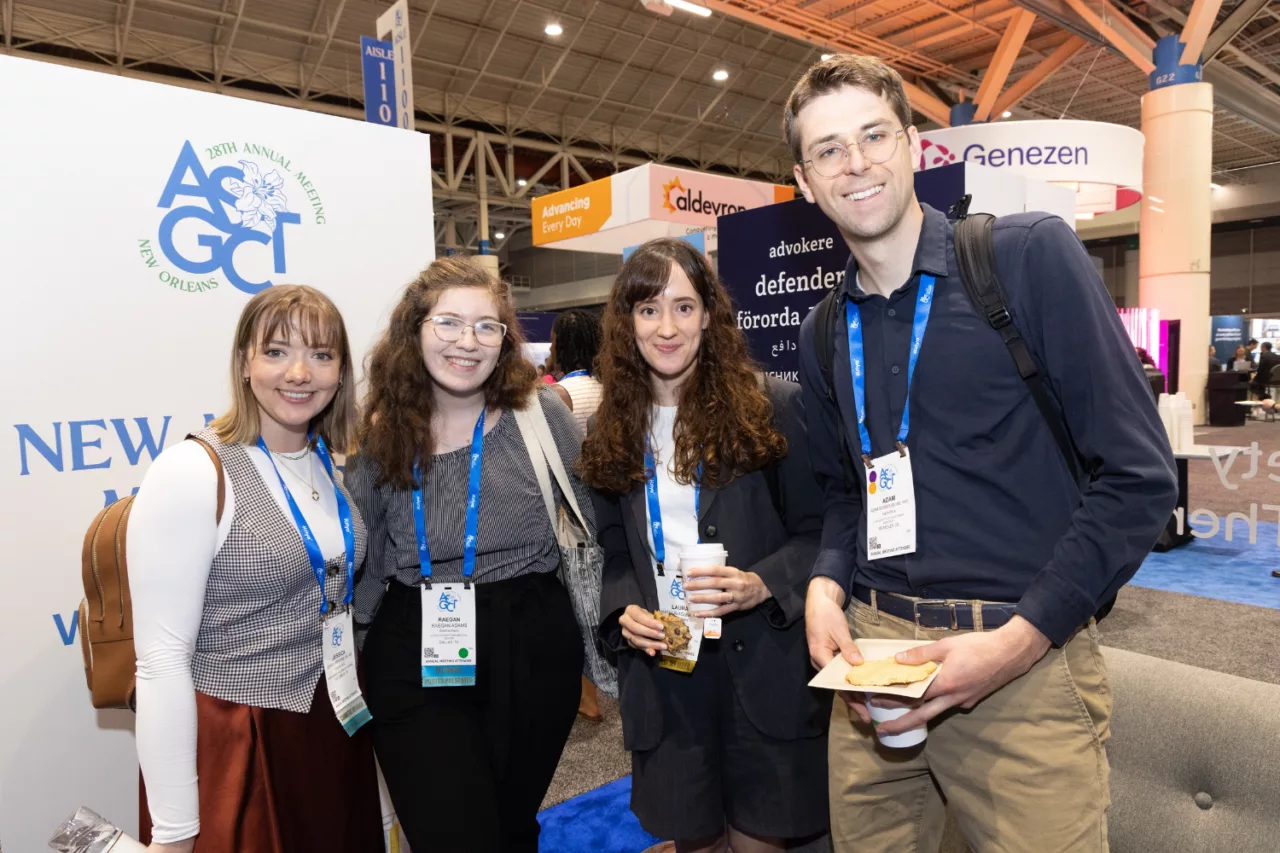
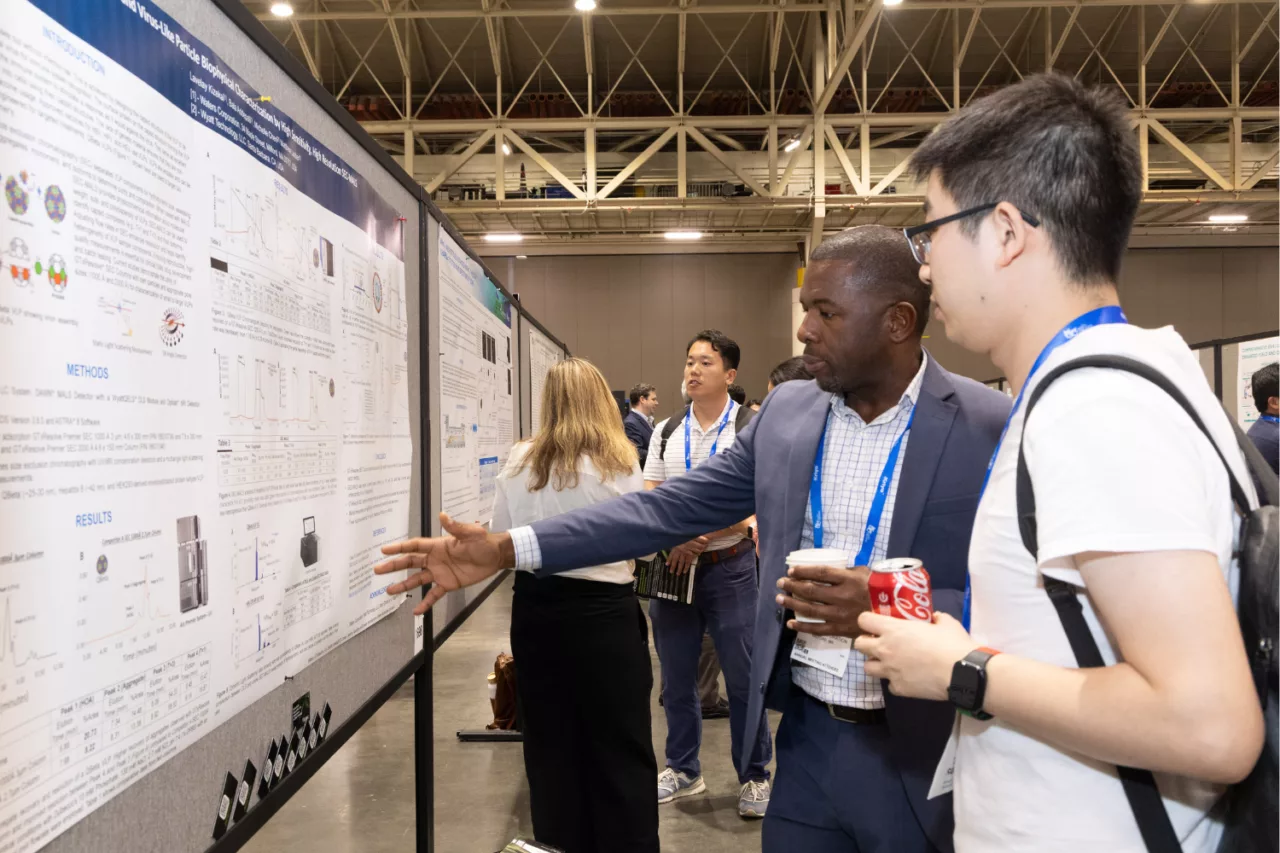
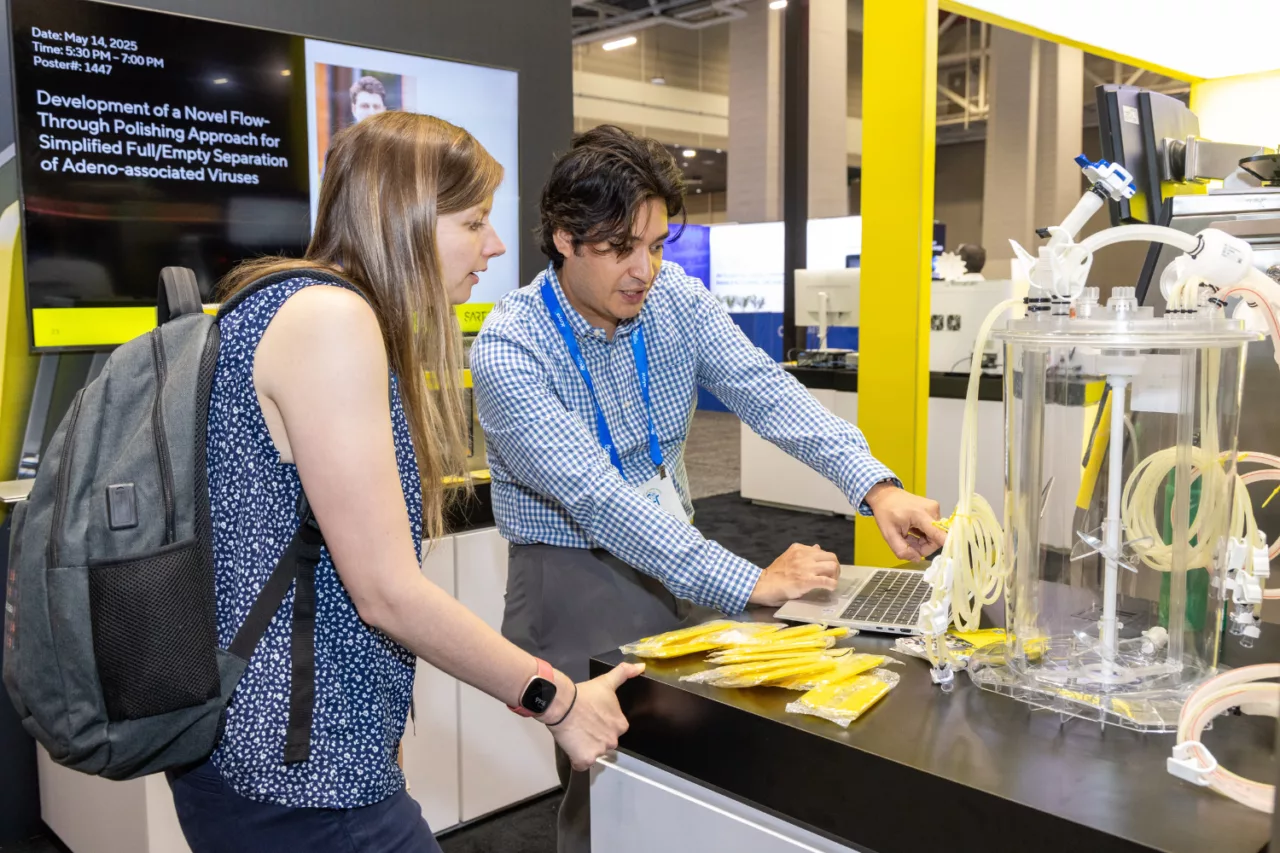
ASGCT Members in Action

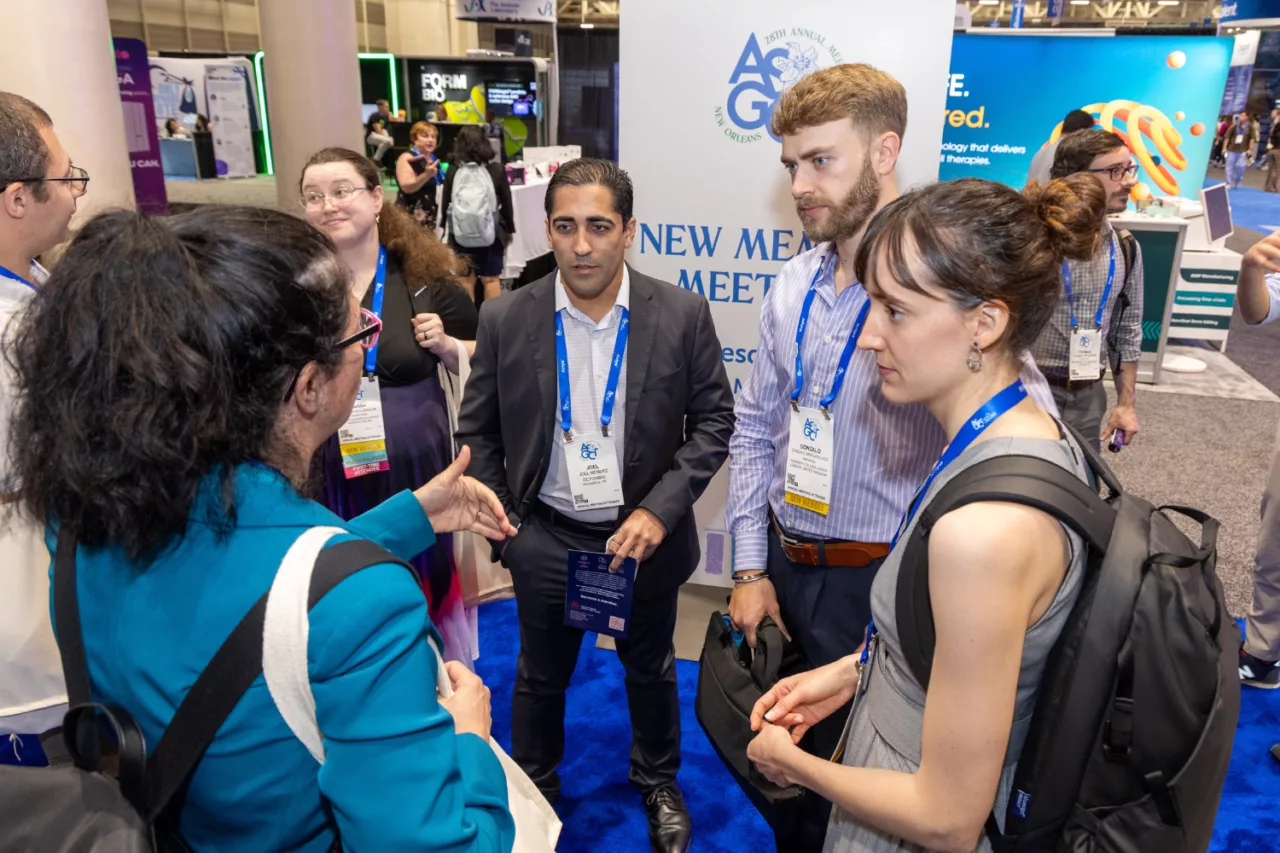
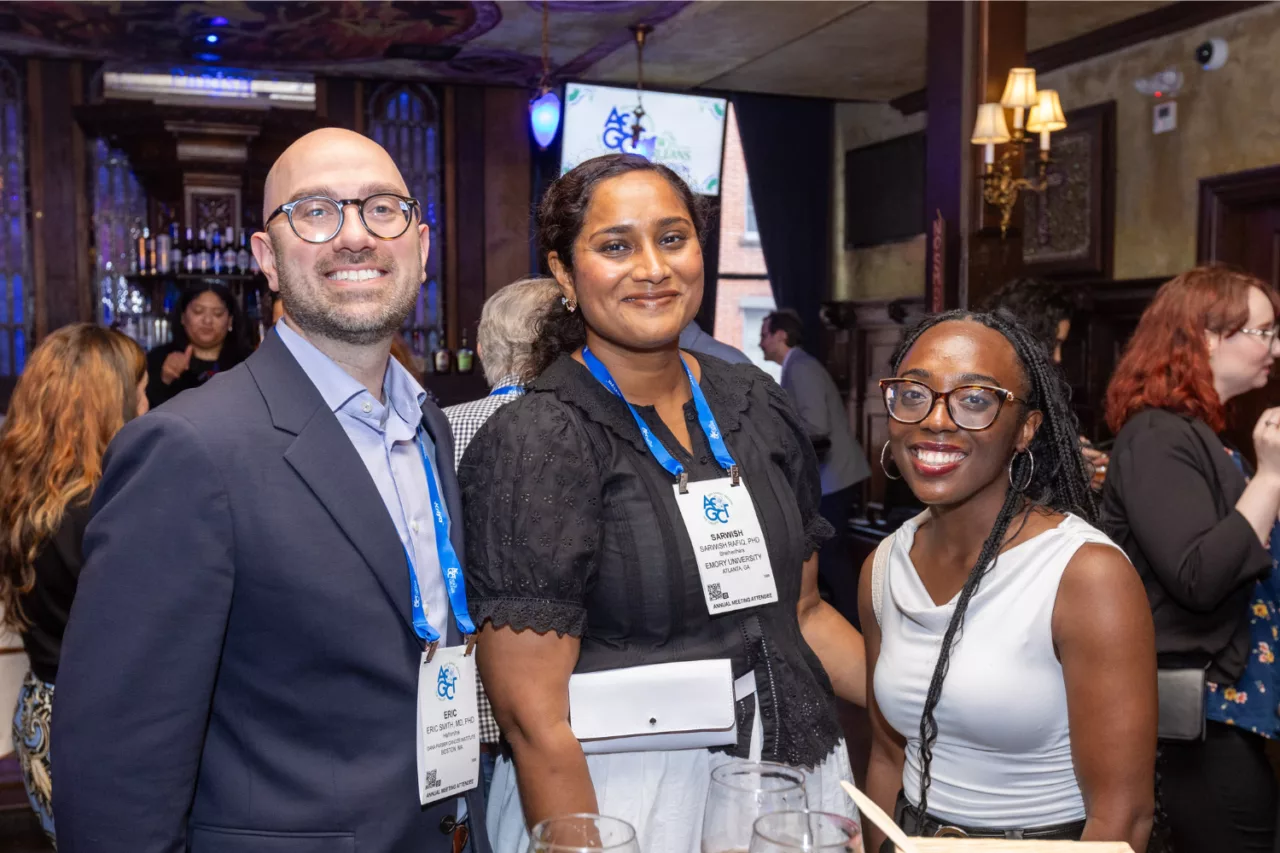
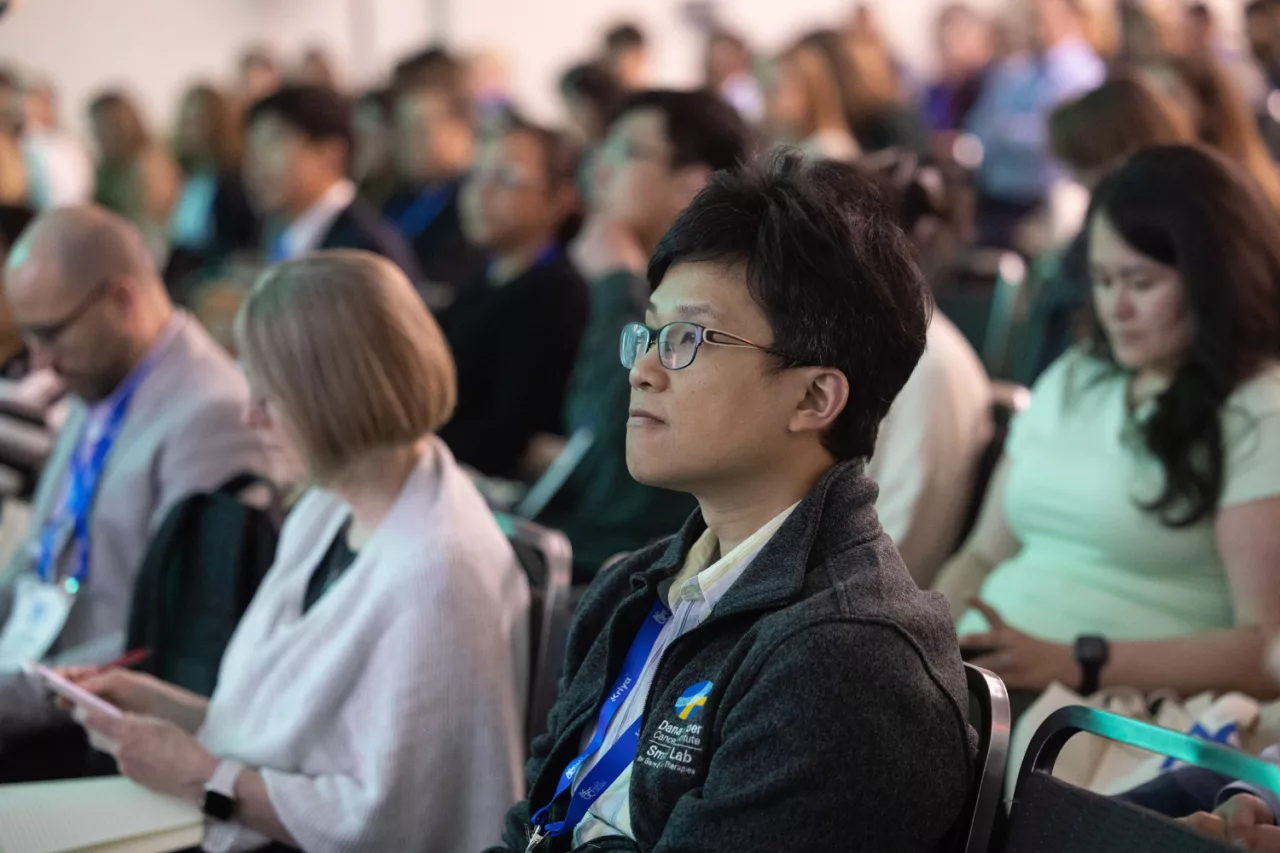
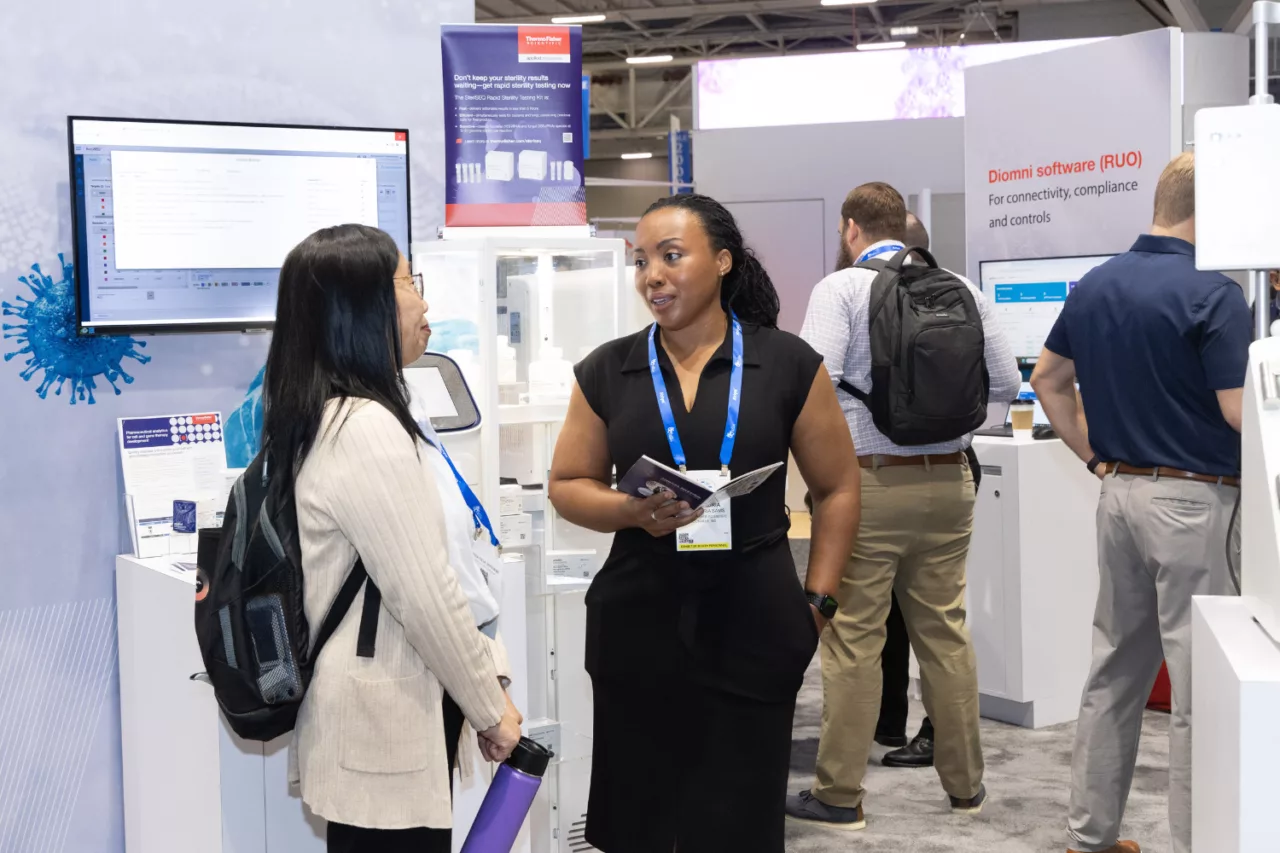


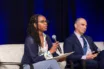


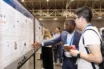

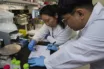
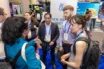




Where Policy Meets Progress
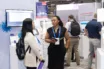
Progress cannot occur without action, and action requires the relationships and frameworks to take ideas for progress from conception to fruition. In March 2025, ASGCT organized its first United States congressional sign-on letter urging robust National Institute of Health appropriations and protecting Facilities & Administrative (F&A) cost reimbursements. The letter emphasized how F&A funding supports critical research infrastructure – from specialized manufacturing equipment and compliance programs to advanced data systems – and brought together the CGT community in a unified, collaborative voice on the importance of sustained federal investment.
Opportunities in the Current Climate
There is a growing need to change the perception of cell and gene therapy. On the one hand, overcoming barriers to commercially pre-viable gene and cell therapies for rare and ultra-rare diseases is a multifaceted challenge. On the other, providing support for a consortium of developers, policymakers, and manufacturers means embracing new financing and non-traditional models. At ASGCT, we view these as opportunities to shift the conversation by leading the charge in how we can make these strategies viable.
Regulatory Leadership at the Table
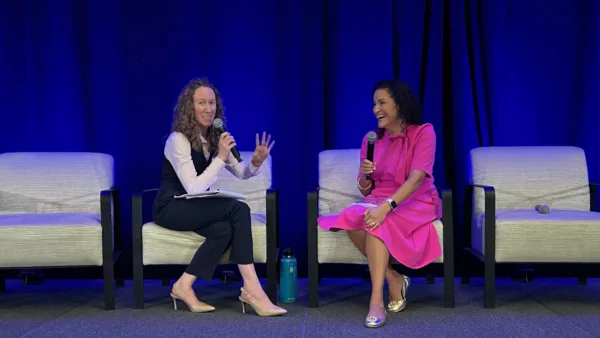
ASGCT was pleased to host Dr. Katherine Szarama at our 2025 Policy Summit to highlight the opportunities in the legislative arena. As the newly appointed Center for Biologics Evaluation and Research deputy director, Szarama outlined ongoing efforts to simplify review processes, strengthen cross-center coordination, and modernize Chemistry, Manufacturing, and Controls oversight without compromising scientific standards.
Ongoing Dialogue and Touchpoints With the CGT Community
The field of CGT is fast-moving with significant and promising opportunities. ASGCT’s policy and advocacy efforts continued to foster relationships with legislators and regulators, opening essential dialogs and partnerships to advance the field:
- Influential policy discussions: ASGCT leadership participated in the FDA’s Cell & Gene Therapy Roundtable in June 2025, discussing how to accelerate safe, affordable access to CGTs.
- Collaboration with regulators: ASGCT continues to serve as a neutral, science-driven convener for the CGT field, maintaining a productive relationship with FDA through regular dialogue, collaborative policy development, and educational initiatives for both regulators and the research community.
- Accelerated development pathways: Themes and challenges uncovered during our workshop on Class Considerations for Immunogenicity for AAV Gene Therapy Products were reiterated in ASGCT’s FDA Liaison Meeting.
Education for the Broader CGT Community
Nearly one thousand patients, caregivers, advocates, researchers, and industry leaders convened at ASGCT’s inaugural Empowering Patients Summit in February 2025 to learn about the latest CGT approaches, research studies, and regulatory trends shaping the future of CGT.
- 960 registered at the Empowering Patient Summit
Expanding and Evolving Educational Resources
ASGCT continued to improve and refine our education resources in 2025 to meet the dynamic needs of our members and the CGT community at large, with increased and more meaningful networking opportunities, clear career development pathways, and flexible, on-demand learning options. ASGCT also continues to lead the field in patient education, offering one of the most robust and comprehensive collections of accessible CGT learning resources available today.
The ASGCT Learning Center debuted in Q4 as a centralized hub of high-value, on-demand digital educational resources, making access to learning and professional development content easier than ever. The Society also introduced Foundations of Cell & Gene Therapy, a self-paced, expert-led course that uses interactive learning to help scientists and researchers new to the field, healthcare providers, patient advocates, and other professionals build a strong foundation in CGT fundamentals.
Empowering the Future of CGT
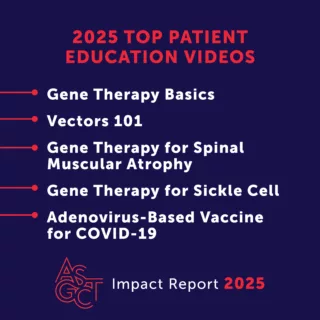
- 27 in-person, hybrid, and digital educational programs, including the Annual Meeting, Policy Summit, Advancing Cell + Gene Therapy for Cancer, Breakthroughs in Targeted In Vivo Gene Editing, Empowering Patients Summit, webinars, and patient education materials
- 35 patient education videos totaling 1.4 million views
- Launch of ASGCT Learning Center to bring digital, on-demand education to the field
- Presentations at 12 different patient advocacy groups
Where We’re Going – 2026 and Beyond
The future of cell and gene therapy means imagining a world where patients can access transformative treatments without the complex barriers that currently limit their use. In this reality, a patient with a genetic condition can walk into a primary care physician’s office and receive treatment without their care team having to navigate a myriad of delivery, manufacturing, and administration complexities that are currently associated with CGT. It is access without undue barriers or constraints.
While CGTs have already transformed care for some rare diseases, the next generation of innovation is exploring treatments with broader indications. As these therapies move into larger patient populations, ensuring scalable access, regulatory clarity, and sustainable delivery models will be increasingly important to support flexible development pathways and enable their safe and timely development.
Creating this future also requires addressing around therapies being discontinued due to commercial non-viability and defining a clear path to bring them to market. In 2025, we took the first steps to build this roadmap by establishing a task force focused on access to commercially pre-viable CGTs consisting of stakeholders from academia, industry, government, and the disease advocacy community. These efforts and more were outlined in a contributing article to Molecular Therapy, authored by CEO David Barrett, ASGCT President Dr. Flotte, and immediate Past President Dr. Cannon.
In 2026, we crystallized this vision through the finalization of CGTxchange, a clearinghouse and marketplace for deprioritized cell and gene therapies. In collaboration with Orphan Therapeutics Accelerator, CGTxchange will move promising life-changing treatments from the shelf to the field, connecting them with mission-aligned investors, philanthropic organizations, and companies and supporting a path forward to getting these treatments to patients and families in need.
Financials
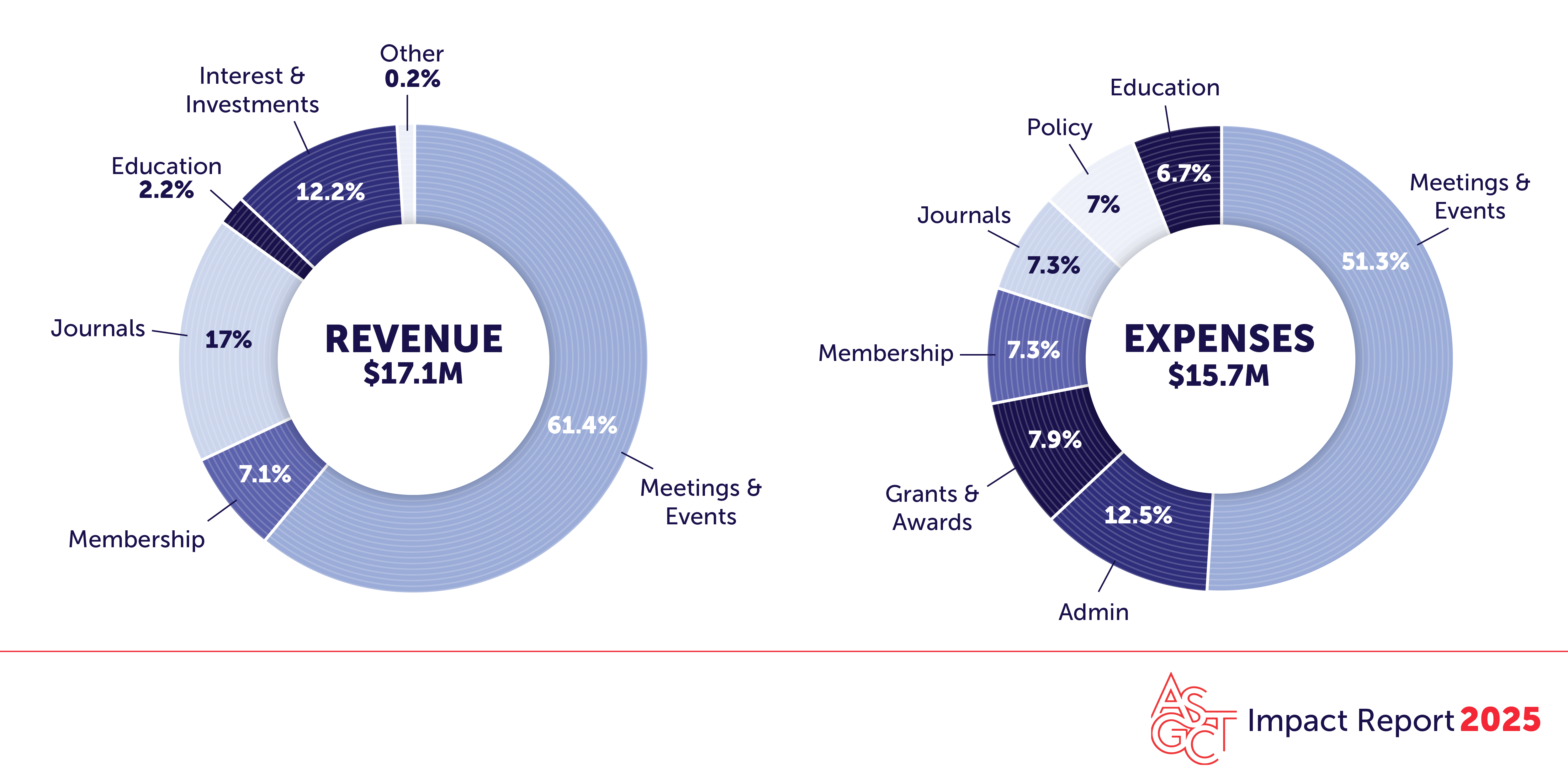
ASGCT remains committed to responsible financial stewardship, ensuring that the resources entrusted to us are managed transparently and in service of our mission. Our financial reporting reflects our dedication to using funds wisely, sustainably, and impactfully to advance cell and gene therapies.
Acknowledgments
As ASGCT presents its first formal Impact Report, sincere appreciation is extended to the Board of Directors, committee members, staff, and sponsors whose leadership, expertise, and dedicated service have made this progress possible. The accomplishments reflected in these pages are the result of thoughtful governance, strategic stewardship, and an enduring commitment to advancing the Society’s mission.